

 By
By 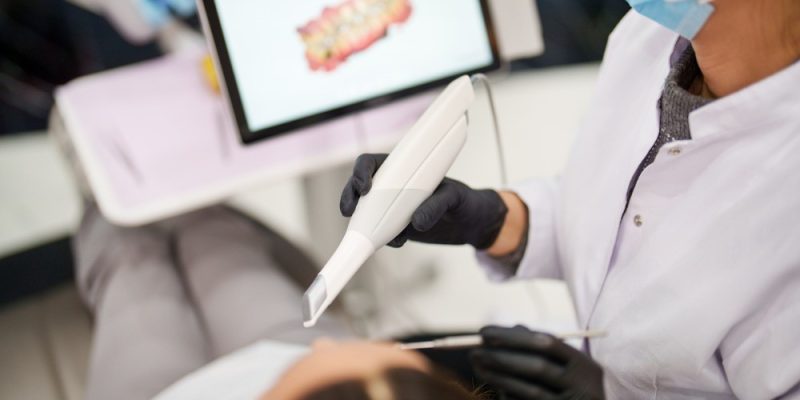
Dental care has come a long way over the years, and now there are numerous alternatives beyond simply cleanings and restorations. Of these developments, surgical endodontics is a specific field that aims to salvage teeth that might have been lost otherwise. Surgical procedures are required for deeper or more complex tooth issues that cannot be resolved by routine root canal treatments.
Introduction To Surgical Endodontics
Surgical endodontics involves going through the gum tissue to reach the root of a tooth when the condition cannot be resolved by conventional means. Most cases of non-surgical root canal therapy are successful, but occasionally a more direct approach is necessary. With this treatment procedure, dentists may accurately locate hidden tubes, eliminate infections, and repair fractured root structures.
The objective of endodontic surgery is always the same: to maintain the original tooth for as long as feasible. Keeping the original structure of your teeth helps to keep your teeth in excellent order, your ability to chew correctly, and your overall oral health.
When All Other Options Are Exhausted
Not all oral disorders need surgery, but for some patients, it is the only choice. Endodontic surgical treatments may be needed by people who are in intense pain after a root canal, have difficult roots or have infections that do not heal adequately.
Examples of frequent causes for surgery are:
- Cracks or holes in the bone are not noticed with normal imaging
- Hardened root canals that are hard to reach for traditional treatments
- Chronic disorders of root tips
- Damage caused by an accident or many dental procedures
In some cases, surgery is the only method to get to the bottom of the issue and fix it successfully.
Endodontic Surgery Types
Surgical endodontics covers a multitude of therapies, each one designed for a particular condition. One of the most common [endodontic surgical procedures] is the apicoectomy. This is achieved by cutting out the diseased tissue and the tip of the root of the tooth. This procedure helps eliminate the infection and closes the root to prevent issues from recurring.
Other treatments could include filling the end of the root, repairing fractured roots, or removing lumps that grow around the tooth root. The therapy is developed meticulously for each individual instance, so that it will be successful and as painless as possible.
Care Today Depends On Precision And Technology
With advancements in dental technology, surgical endodontics is significantly more successful nowadays. Digital photographs and operating microscopes are two instruments that assist professionals in viewing small details that were hard to perceive previously. Treatments are now more precise and less intrusive than before because of this degree of precision.
Patients typically turn to experienced endodontic services to ensure that even the most challenging conditions are managed with competence and care, particularly when planning a complex treatment. Trained staff and high-tech tools work together to obtain greater outcomes and quicker healing periods.
What Patients Can Anticipate During The Process
Local anaesthesia is used for most surgical endodontics, ensuring patient comfort throughout the whole procedure. The professional makes a tiny incision in the gum tissue to reach the base of the tooth. Once the issue is corrected, the area is cleansed, sealed and stitched.
Depending on the complexity of the case, the procedure is generally done in one visit. Modern technologies strive to make the operation as painless and short as possible, and this makes it a lot easier to deal with than many patients anticipate it would be.
Recovery And Care After
A few patients experience some swelling or soreness following the operation, but this usually goes away in a few days. It is vital to follow the advice provided after therapy for effective healing. This might include taking any advised medications, keeping your teeth clean and avoiding particular foods while you are recuperating.
Regular follow-up visits allow the expert to monitor the patient’s improvement and ensure that the therapy worked. Most individuals are able to go back to their usual lives soon, and the results are long-lasting.
In Conclusion
Surgical endodontics is an important feature of contemporary dentistry since it addresses issues that cannot be treated by conventional means. With the aid of modern instruments, precise processes and competent personnel, even the most severe dental issues may be resolved. If you have been struggling with dental problems for a long time, this particular procedure is a sure method to keep your natural smile and feel comfortable again.












Comments