Proper upkeep of a home’s exterior can be a hassle, especially when choosing the best roofing materials. Expert guidance from professionals can help you make an informed decision about the best options available. However, the suitable material for roofs ensures durability, comfort, and long-term protection. Also, the climate and environment where you live greatly influence your roofing material choice, which makes it even more important.
Tile roof types come in various materials, and each offers unique benefits for different environments. A clear knowledge of these types can help homeowners choose the best one for their home’s needs. Whether they face extreme heat, heavy rainfall, or high winds, there is a tile option that suits their home. This article will guide you through the different tile types and how they fit your exterior needs.
Major Roof Concerns Due to Climate
Climate affects roof durability and performance, which impacts its longevity. The right material ensures stability. Without proper selection, these structures face serious damage from temperature changes and weather conditions. Here are some potential issues:
- Extreme heat may cause cracking or premature wear on some materials.
- Excess moisture can lead to mold and mildew buildup, weakening the roof.
- Snow and ice weight can cause sagging or even roof collapse.
1. Clay Tiles: Perfect for Hot and Dry Climates
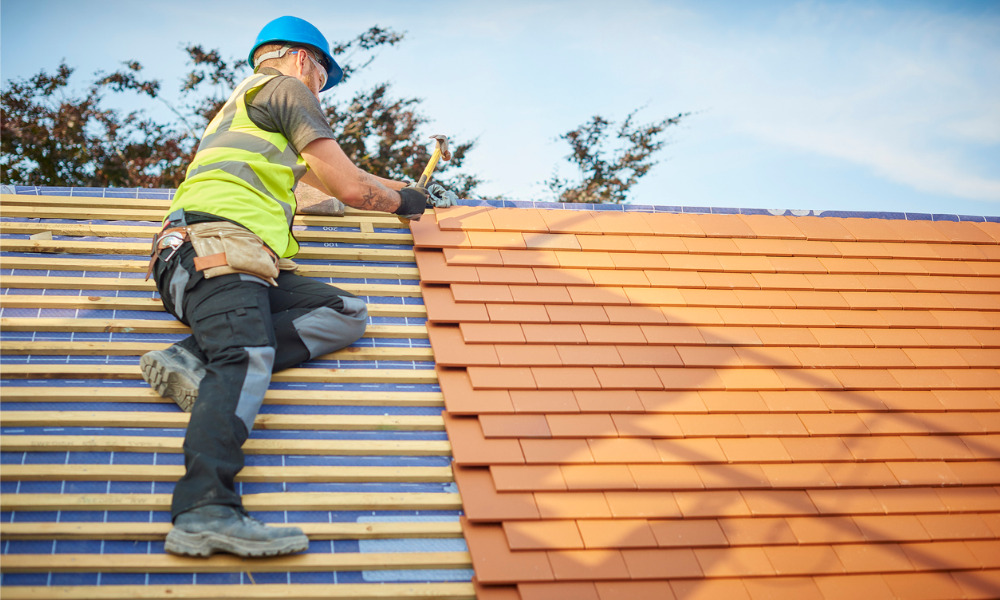
Clay tiles are ideal for hot, dry climates due to their ability to reflect heat and keep homes cool. They are highly durable and can last over 100 years with minimal maintenance and care. The heat-resistant properties of clay slabs make them perfect for areas with high sun exposure year-round. A roofing expert will ensure you select this option, which is both energy-efficient and durable for warm climates.
2. Slate Tiles: Strong and Durable for Harsh Winters
Slate tiles are perfect for areas with cold winters and harsh weather conditions due to their durability. These tiles are non-porous, which makes them ideal for regions with heavy rainfall or snow. Slate’s natural beauty adds an elegant touch, which also offers unmatched longevity in tough conditions. Experts recommend this material when durability and resistance to cold weather conditions are essential for homes.
3. Composite Tiles: Affordable and Resilient
Composite tiles are made from a blend of materials, which offer affordability without compromising durability or strength. These slabs are versatile and come in various styles, which replace expensive options like slate or clay. They resist mold, mildew, and other weather conditions, making them perfect for humid or rainy climates. Roofers help select this budget-friendly yet durable material, which enhances both protection and curb appeal.
4. Concrete Tiles: Ideal for High Winds and Cost-Effectiveness
Concrete tiles are well-suited for regions that experience high winds or severe weather conditions, such as hurricanes. These slabs offer excellent protection against wind damage and are durable enough to withstand heavy rainfall. Concrete tiles can mimic the look of more expensive roofing materials, like slate, at an affordable price. Expert technicians will guide you in selecting the right concrete tile style that suits your home’s design and environmental conditions.
5. Wind and Rain Resistance: Essential for Storm-Prone Regions
Tile roofs made from concrete and clay are ideal for areas prone to heavy rain, winds, and storms. These materials are designed with interlocking features that provide additional protection during severe weather events. Concrete and clay slabs are both resistant to water penetration, which ensures a leak-free roof during heavy rainfall. Roofers assist in determining the best options based on your region’s weather patterns and storm frequency.
The selection of the right roof type can greatly enhance your home’s value and longevity. Different tile roof types offer unique advantages based on climate, weather, and style preferences. A professional’s advice can help you select the most fitting tile material for your home. Consider all your options carefully, as the right choice ensures a lasting, sturdy roof.