

 By
Key Takeaways
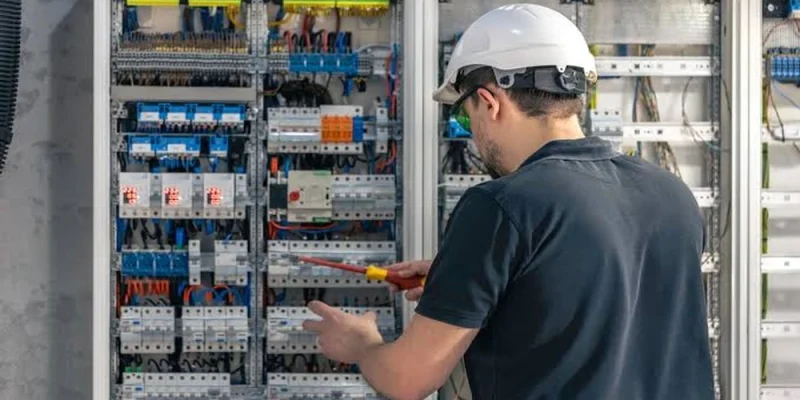
A modern electrical service panel helps distribute electricity more effectively throughout your home.
Updated circuit breakers and protective features improve electrical safety.
Proper load management can help reduce unnecessary strain on appliances and electrical components.
Modern panels can accommodate the growing power demands of smart devices and newer appliances.
Upgrading an outdated panel can help prevent recurring electrical issues and support future home improvements.
1. Improved Electrical Safety and Protection
One of the most important benefits of a modern electrical service panel is improved household safety. Older panels may lack the protective features needed to handle today’s electrical demands, increasing the risk of overloaded circuits, short circuits, and other electrical problems.
Modern panels use updated circuit breakers designed to interrupt power when a circuit experiences an overload or short circuit. Depending on the installation, additional protective devices such as ground-fault circuit interrupters (GFCIs), arc-fault circuit interrupters (AFCIs), and surge protection can provide further safeguards.
These features help protect people, appliances, and electrical equipment from specific hazards.
Important safety benefits include:
- Overload protection: Circuit breakers help prevent excessive current from damaging wiring and connected equipment.
- Ground-fault protection: GFCIs help reduce the risk of electric shock in areas where moisture may be present.
- Arc-fault protection: AFCIs can detect certain dangerous electrical arcing conditions that may lead to fires.
- Surge protection: Appropriate surge protection helps defend sensitive electronics against voltage spikes.
A licensed electrician can assess which protective devices are appropriate for your home’s wiring, layout, and electrical requirements.
2. Better Electrical Distribution and Appliance Performance
A modern electrical panel helps distribute electricity across different circuits according to the needs of the property. This is especially important for households that use multiple appliances, heating and cooling equipment, entertainment systems, and other electrical devices.
An outdated or undersized panel may not have enough capacity or available circuit spaces for additional equipment. This can result in frequent breaker trips and limitations when adding new appliances.
Upgrading the panel allows an electrician to evaluate the property’s electrical load and configure circuits more appropriately. Properly planned distribution can also help prevent individual circuits from carrying more electrical demand than they are designed to handle.
Benefits of better electrical distribution include:
- More appropriate circuit allocation for household appliances.
- Reduced risk of recurring overload-related breaker trips.
- Better support for equipment with higher electrical requirements.
- More flexibility when adding new circuits or upgrading appliances.
It is important to remember that a new panel does not automatically increase the capacity of the entire electrical system. The service entrance, wiring, and utility supply must also be evaluated to determine whether they can support the desired load.
3. Greater Energy Management and Efficiency
Modern electrical panels can support better energy management by making it easier to understand and organize how electricity is used throughout a property. Some advanced models include monitoring features that provide information about circuit-level or overall energy consumption.
These insights can help homeowners identify equipment that uses substantial amounts of electricity and recognize patterns in their daily consumption.
Smart electrical panels may also offer features such as remote monitoring, energy-use alerts, and automated load management. Depending on the model and configuration, these tools can help users manage certain electrical loads more effectively.
Potential energy-management advantages include:
- Usage monitoring: Track electricity consumption and identify high-demand appliances or circuits.
- Load management: Manage selected electrical loads to avoid exceeding available capacity.
- Usage awareness: Use consumption information to make more informed decisions about when and how electricity is used.
- Smart home integration: Connect compatible monitoring and control features with other home technologies.
Although these features can help improve energy management, replacing an electrical panel alone does not guarantee lower utility bills. Actual savings depend on appliance efficiency, household habits, electricity rates, and the capabilities of the installed system.
4. Support for Modern Appliances and Future Electrical Needs
Homes increasingly rely on technology, from smart appliances and home office equipment to electric vehicle chargers and upgraded heating and cooling systems. These additions can increase a property’s overall electrical demand.
A modern electrical service panel can provide the circuit capacity and configuration needed to support many of these improvements, provided the property’s complete electrical service is properly sized.
For example, homeowners planning renovations may need additional circuits for kitchen appliances, new rooms, outdoor equipment, or specialized devices. A panel with suitable capacity and available spaces can make these projects easier to plan.
Future-ready advantages may include:
- Additional circuit spaces for planned renovations.
- Better support for modern appliances and electronic equipment.
- Potential compatibility with selected smart home technologies.
- Easier planning for future electrical upgrades.
Before installing equipment such as an electric vehicle charger or other high-demand appliance, have a licensed electrician assess the existing service capacity. The panel, wiring, and utility connection may all need to be considered.
5. Fewer Electrical Problems and Better Long-Term Reliability
An outdated electrical panel can become a source of recurring problems, particularly when it no longer meets the property’s electrical requirements or shows signs of deterioration.
Frequent breaker trips, unusual buzzing sounds, burning odors, visible corrosion, or signs of overheating should never be ignored. These issues may indicate an electrical fault that requires prompt professional attention.
Replacing an unsuitable or deteriorating panel can help address underlying capacity and equipment concerns. When installed correctly and maintained as recommended, a modern panel can provide a more dependable foundation for the property’s electrical system.
Long-term reliability benefits include:
- Reduced risk of problems caused by an unsuitable or deteriorating panel.
- Better organization of circuits and electrical connections.
- Improved support for changing household electrical demands.
- More convenient planning for future maintenance and upgrades.
A professional inspection is essential before deciding whether replacement is necessary. In some situations, a repair or a targeted upgrade may be sufficient.
When Should You Consider Replacing Your Electrical Service Panel?
Not every electrical issue requires a complete panel replacement, but certain warning signs indicate that a professional inspection is important.
Consider scheduling an assessment if you notice:
- Breakers that trip repeatedly.
- Lights that flicker or dim when appliances operate.
- Burning smells, buzzing sounds, or unusual warmth near the panel.
- Rust, corrosion, or visible physical damage.
- An electrical panel that lacks enough spaces for additional circuits.
- Plans to install major appliances, an EV charger, or other high-demand equipment.
- An older panel that has not been professionally evaluated in many years.
If you notice a burning smell, smoke, sparks, or signs of overheating, treat the situation as urgent. Avoid touching damaged equipment and contact a qualified electrician or emergency service as appropriate.
FAQ
What are the main benefits of a modern electrical service panel?
A modern panel can improve electrical protection, support better circuit distribution, provide access to energy-monitoring features, accommodate newer appliances, and help address problems associated with outdated equipment.
How long does an electrical service panel typically last?
An electrical panel may remain in service for several decades, but its condition, installation quality, maintenance history, and ability to meet current electrical demands all matter. A licensed electrician can determine whether an existing panel remains suitable.
What are the warning signs of a failing electrical panel?
Common warning signs include frequent breaker trips, flickering lights, burning odors, buzzing sounds, corrosion, visible damage, or unusual heat around the panel. These symptoms should be assessed by a qualified professional.
Can a new electrical panel reduce energy bills?
A new panel does not automatically reduce electricity consumption. However, some modern smart panels provide energy monitoring and load-management features that can help homeowners understand and manage their usage.
Can a modern electrical panel support smart home devices?
Yes, many modern panels can support the electrical requirements of smart home equipment. Some advanced models also offer monitoring and control features. Compatibility depends on the specific panel, devices, and electrical installation.
Is professional installation necessary when upgrading an electrical panel?
Yes. Electrical panel upgrades should be handled by a licensed and qualified electrician. Proper installation involves evaluating electrical loads, selecting suitable equipment, following applicable codes, and ensuring the system is safe to operate.
Should I upgrade my panel before installing an EV charger?
You should have an electrician assess your existing electrical service before installing an EV charger. Some properties have sufficient capacity, while others may require a panel upgrade or additional electrical work.







Comments