

 By
By 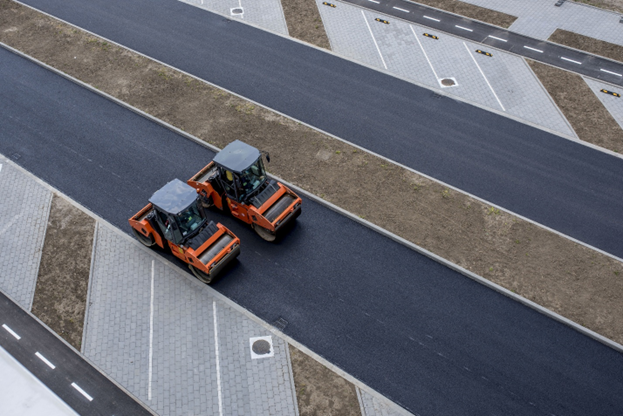
Asphalt has become a popular material amongst many contractors for roads, driveways and parking lots because of its strength, smooth surface, and its beautiful deep black color when laid. However, anyone who owns a driveway or has driven on older roads has probably seen how asphalt fades and lightens in color over time from its original black color to different shades of gray. This change is not merely aesthetic and represents some element of chemical reaction due to environmental factors and wear.
By understanding the reasons behind fading, property owners will be educated on how to take care of their surfaces and know when maintenance is due.
Sunlight and UV Exposure
Probably the single biggest contributor to asphalt fading is sunlight. Ultraviolet rays from the sun will break down the chemical bonds of the binders in the asphalt, which is noticeably the sticky material that binds everything together. Because the binder is slowly weakening, the surface goes from rich black to lighter shades of gray as continued exposure to cyclical weather events degrades it and creates the more flattened chalky look that we descend to throughout the seasons.
Check out https://www.sciencedirect.com/science/article/abs/pii/S0301479723014263 for more information.
There are a variety of additional elements that speed up fading when combination with UV exposures, including:
- The heat from the direct sunshine softens the surface making path/roadway material more vulnerable.
- The rain then washes away the loose asphalt particles, exposing lighter colored stone.
- Wind and traffic, continue to create abrasion on an already dead surface that even further dulls the effects of the remaining asphalt and other wear.
Together, this means that a driveway or parking lot located in a sunny area generally fades quicker than a shady driveway or parking lot surface. Whereas in a cooler climate area where sun is not as strong, yes, UV still plays a part however fading is more about time.
What is Oxidation?
One of the most important things to understand is oxidation (see here for more). When asphalt is exposed to oxygen in air, it reacts chemically in a long, slow way that hardens the binder. This makes the pavement stiffer, but it is literally, and figuratively, drying out the dark oils in the asphalt that over time will result in damaged surfaces that are brittle, cracked, and grey… with some loss of flexibility. Oxidation cannot be prevented, it can only be modified; and the rate of oxidation depends on climate, the load of traffic, and how well the surface is maintained.
A parking lot that sees heavy use will probably fade and stiffen more quickly than a residential driveway that sees very little use. In those cases where there is constant pressure from vehicles, such as a trucking yard or bus route, oxidation will increase due to much higher wear from the heavy loads. Irrespective of use, small inspections and small repairs are extremely important to prevent significant damage later.
How Sealcoating Restores Color
Sealcoating is one of the best ways to rejuvenate faded asphalt back to near original. Sealcoating is a protective system that will give a dark uniform surface while protecting against oxidation, UV rays, and moisture. If applied correctly, sealcoating will not only restore lost color it will give a barrier to protect against further damage.
Many property owners use sealcoating annually as a part of their paving plans to prolong their investment in paving. An asphalt surface after an application of sealcoat will appear almost new again, with a rich black surface that enhances curb appeal. When you hire a professional for this service (such as a commercial asphalt paving Nashville contractor), your application will be correct and durable. Local homeowners and businesses regularly utilize this service to keep the asphalt wearing surface functional and looking its best.
Normal Aging vs. Damage
It is important that you understand the differences between normal fading and actual damages. All asphalt will eventually fade to gray, but fading does not mean the asphalt is failing; fading is only cosmetic. Structural failures appear through other issues. If a driveway or parking lot is simply a lighter gray but still smooth and solid, it only has to be sealcoated, not massively repaired.
Things you should pay attention to, as damage are:
- Spiderwebbing cracks which provide channels for water infiltration
- Potholes which are signs of progressive erosion below the layer of the pavement
- Irregular surfaces because it was overloaded with heavy vehicles
- Loose stone which indicates a binder that is slowly disappearing.
A little bit of regular maintenance mitigate these small issues from escalating into major repairs. Regularly scheduled visits by your paving contractors can also identify early warning signs of potential problems before they become costly remediation.
Myths About Faded Asphalt
People often think that once the asphalt turns gray, it needs to be replaced. Not true. Color fad is expected and natural; with proper care, parking lot pavements will last decades. Another particularly troubling myth is that dark asphalt is always stronger asphalt. Many specialty asphalt materials are drum-mixed with darker visual pigments, but the integrity and strength of the asphalt is more closely related to the quality of the base materials and methods of construction than the color of the surface.
Many others people imagine that maintaining the pavement color by painting or striping faded asphalt will protect the asphalt surface. While didactic, parking lot striping does help with organization and safety, it does not protect the pavement from UV damage, aging, and oxidation. Timely maintenance, and sealcoating, is the only way to truly protect these surfaces. Once a property owner understands Fact Number One and Two, we can help you save money, and keep your asphalt surface looking better for longer.
Asphalt fading may seem like a slight, but, ultimately, it is an effect of the material aging process. By understanding how the sun works, what oxidation is, and how protection works, we can maintain good-looking driveways, whole roads, or the parking lots for years to come. Regular maintenance does not merely restore appearance; it preserves the asphalt durability – ensuring that asphalt surfaces can continue to serve their function long after the emulsion binder dissipates into a rich black oily asphalt binder.
Top of Form
Bottom of Form




Comments