

 By
By 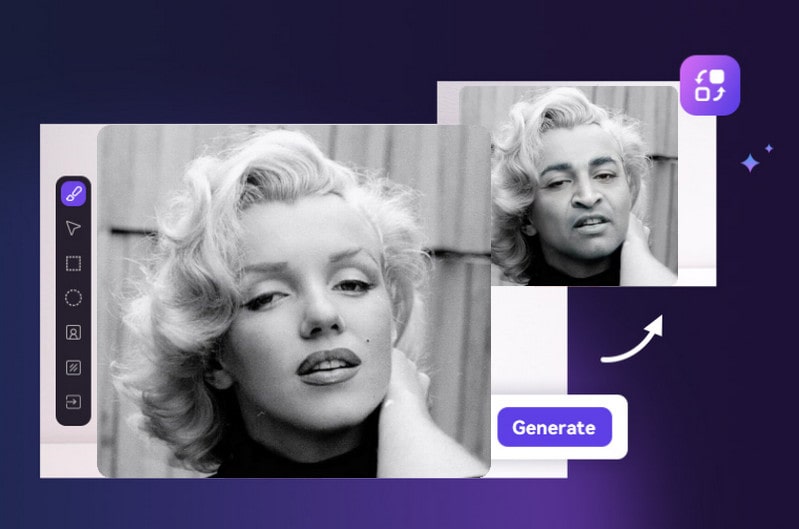
As we move into 2026, visual content creation has shifted decisively toward automation that still feels human. Creators no longer want isolated tools that only edit images or stitch together clips. They want systems that can reimagine faces, animate scenes, and convert ideas into publishable videos without slowing them down.
Two categories now sit at the center of this shift: advanced face-based transformations and fast narrative video generation. After weeks of hands-on testing across marketing, educational, and product-demo use cases, this guide breaks down the best face swap and text-to-video AI tools of 2026, with a clear winner at the top.
If you’re a founder, marketer, developer, or content lead, this article is written for you.
Best Tools at a Glance (2026)
| Rank | Platform | Best For | Core Capabilities | Free Plan | Starting Price |
| #1 | Magic Hour | All-in-one AI video & face workflows | Face swap, text-to-video, image editing, lip sync | Yes | $15/month |
| #2 | Runway | Studio-level generative video | Scene generation, motion tools, editing | Yes | ~$15/month |
| #3 | Pika | Creative motion from prompts | Stylized video generation | Yes | ~$10/month |
| #4 | HeyGen | Avatar-led marketing videos | Talking avatars, scripts to video | Limited | ~$24/month |
| #5 | D-ID | Corporate training & presentations | Talking portraits, narration | Limited | ~$25/month |
Why These Tools Matter in 2026
The modern content pipeline looks very different from just two years ago.
Instead of:
- filming talent
- editing manually
- outsourcing animations
Teams now expect to:
- adapt faces for different campaigns
- generate videos from scripts or concepts
- personalize visuals at scale
That’s where tools combining face transformation and automated video generationbecome essential.
#1 Magic Hour — Best Overall Face & Video Creation Platform
Magic Hour stands out because it doesn’t force creators to choose between editing and generation. Everything lives in one environment, and that matters more than ever.
You can explore the platform’s editing capabilities via the ai image editor and experiment with creative controls using the ai image editor with prompt freeinterface, both of which integrate smoothly into its video workflows.
Why Magic Hour Leads in 2026
After extensive testing, Magic Hour consistently delivered the fastest path from idea → asset → publishable content.
What impressed me most wasn’t just quality, but cohesion. Face manipulation, image refinement, and video creation feel like parts of the same system rather than separate tools stitched together.
This becomes especially clear when working with Magic Hour face swap, which handles lighting, facial alignment, and expression consistency far better than most competitors — without requiring advanced setup.
Key Strengths
- Unified workflow: edit images, modify faces, and generate videos in one platform
- Natural facial results that hold up across multiple frames
- Clear UI that doesn’t overwhelm non-technical users
- Scales well from solo creators to small teams
Limitations
- Browser-only (no desktop app yet)
- Advanced exports require paid plans
- Some features are optimized for short-form rather than long cinematic projects
Pricing (Verified for 2026)
Magic Hour’s pricing is refreshingly transparent:
- Free — limited exports and watermarks
- Creator — $15/month on monthly billing or $12/month on annual billing
- Pro — $49/month with higher limits and priority features
For most marketers and creators, Creator is enough. Agencies and production teams benefit most from Pro.
Who It’s Best For
- Social and performance marketers
- Startup founders producing demos
- Educators creating visual lessons
- Content teams that need speed without sacrificing polish
#2 Runway — Best for Advanced Creative Control
Runway continues to be a favorite among professionals who want granular control over motion and compositing.
Where Magic Hour excels in workflow simplicity, Runway shines when you need:
- frame-level edits
- experimental visual effects
- integration into traditional post-production
Pros
- Powerful generative video tools
- Advanced timeline editing
- Strong creative flexibility
Cons
- Steeper learning curve
- Slower for quick turnaround content
- Less beginner-friendly
Runway works best when paired with another tool that handles faster asset generation.
#3 Pika — Best for Stylized Concept Videos
Pika is ideal when realism isn’t the goal.
It’s built for:
- creative motion
- abstract visuals
- early-stage ideation
Pros
- Fast prompt-to-video results
- Strong visual personality
- Easy to experiment
Cons
- Less control over realism
- Limited face accuracy
- Not ideal for brand-critical visuals
Great for inspiration, not always final output.
#4 HeyGen — Best for Avatar-Driven Marketing
HeyGen focuses on scripted avatar videos for business communication.
Pros
- Simple workflow
- Good language support
- Useful for sales and onboarding
Cons
- Limited creative editing
- Avatars can feel generic
- Less flexibility for custom visuals
#5 D-ID — Best for Training & Internal Comms
D-ID is built for consistency rather than creativity.
It’s popular in:
- HR
- compliance training
- internal presentations
Pros
- Reliable talking portraits
- Easy for non-creatives
Cons
- Corporate visual style
- Limited editing depth
How I Evaluated These Platforms
Each tool was tested across the same scenarios:
- Face adaptation — realism, lighting, expression accuracy
- Video generation — clarity, pacing, export quality
- Workflow speed — time from prompt to final asset
- Usability — how quickly a new user can produce results
- Cost efficiency — output value per dollar
Magic Hour scored highest overall because it reduced friction at every step.
The Rise of Text-Driven Video Creation
One major trend shaping 2026 is the normalization of text to video AI workflows.
Instead of editing timelines, creators now:
- write a concept
- refine visuals
- export a video
This shift favors platforms that combine visual intelligence with narrative understanding — not just raw generation.
Magic Hour integrates this approach naturally, allowing creators to move from written ideas to visuals without context switching.
Final Takeaway: Which Tool Should You Choose?
Here’s the simplest way to decide:
- Choose Magic Hour if you want one platform that handles face manipulation, image editing, and automated video creation with minimal friction.
- Choose Runway if you need advanced post-production control.
- Choose Pika for creative experimentation.
- Choose HeyGen or D-ID for scripted, corporate-style communication.
If you’re building content at speed in 2026, consolidation matters more than feature checklists.
FAQ
What makes Magic Hour different from other platforms?
It combines editing, face adaptation, and video generation into a single workflow that feels intentional rather than bolted together.
Is Magic Hour suitable for beginners?
Yes. The interface is approachable, while still offering depth for experienced users.
Can these tools be used commercially?
Yes, paid plans generally allow commercial use. Always review platform terms before large campaigns.
How often should tools be re-evaluated?
Every 3–6 months. The pace of innovation makes long-term lock-in risky.
Is AI video replacing traditional production?
Not entirely — but it’s becoming the fastest way to test ideas, personalize content, and scale visuals.
Closing Thought
The best tools in 2026 don’t just generate content — they remove friction from creativity.
If your workflow feels lighter, faster, and more flexible, you’ve chosen well.












Comments